Monday, 23 November 2015

Multivitamins: Should You Take One?

Image result for pictures of multivitamin tabletsFood is the best source of most nutrients, but a multivitamin can help provide what your diet doesn't. Find out what to look for in a daily multivitamin.


Our bodies need many different vitamins and minerals to function properly. Vitamins and minerals also offer us protection against a host of ailments, including heart disease and some cancers, such as colon and cervical cancer.
The good news is that we can get most of the vitamins and minerals our bodies need daily by choosing the right foods and eating a wide variety of them. Still, many people take a multivitamin daily as an insurance policy — just to be sure they are getting all the vitamins and minerals that their bodies require.
“A multivitamin is a good idea for the trace elements,” says Donald Novey, MD, an integrative medicine physician with the Advocate Medical Group in Park Ridge, Ill. “You want a multivitamin for all those little things at the bottom of the ingredients list. The ones at the top of the list are familiar and the ones we can’t avoid if we're eating enriched foods. It’s the trace elements at the bottom that are the ones often missing.” Trace elements include chromium, folic acid, potassium, iron, manganese, selenium, and zinc.
Daily Vitamin: Our Needs Change With Age
Vitamin supplements can be particularly important during certain stages of our lives, Dr. Novey says. For example, women in their childbearing years can benefit from folic acid, which decreases the risk of some birth defects. A pregnant woman needs a multivitamin, starting in the first trimester, to ensure that the baby receives proper nutrition. Active and older women can benefit from increased calcium, which can help prevent bone loss and fractures. Vegetarians also can benefit from taking extra calcium, iron, zinc, and vitamins B12 and D.
Does it matter what time of day you take a multivitamin? Not really, says Stephen Bickston, MD, AGAF, professor of internal medicine and director of the Inflammatory Bowel Disease Center at Virginia Commonwealth University Health Center in Richmond. However, he says, some people find it helpful to take vitamins at the same time every day. If it becomes part of their routine, they are less likely to forget. Also, he says, some people feel that if they take their vitamin with food, it is less likely to cause stomach upset. “I often recommend that people take a chewable vitamin,” Dr. Bickston says, “because they seem to be well tolerated, even in people who have serious digestive conditions, which is what I deal with in my practice.”
Daily Vitamin: Tips for Shopping for the Right Multivitamin
Do you need to buy brand name vitamins? Novey says vitamins are like any other consumer product: “You get what you pay for.” He suggests shopping for vitamins in health food or natural food stores. Read the label and make sure its expiration date is at least a few months away. The U.S. Food and Drug Administration’s advice on how much to take — or the Recommended Daily Allowance (RDA) — is often written as “% DV” for percentage of daily value on the label. However, be careful because the DVs on the label may not take into consideration the different requirements for age and gender as RDAs do.
Multivitamins can be beneficial, but doctors warn not to be suckered by “mega” vitamins. The amount of vitamins in a standard multi is generally what you need for health benefits. Rarely do people need more than the RDA of any vitamin. When it comes to vitamins, the too-much-of-a-good-thing rule can apply, Bickston says.
Daily Vitamin: Ensuring Good Health
Clearly, eating a variety of fresh fruits and vegetables, whole grains, fish, lean meats and poultry, and low-fat dairy products is the best way to get your daily dose of vitamins and nutrients to keep your body functioning properly and to ward off illnesses. But taking a multivitamin daily is a good backup plan, and an easy way to fill in any gaps in your diet.

Sunday, 10 May 2015

The BEST foods for late-night snacking (burn fat with these late night belly-blasters)


You may have heard that eating before bed is a big-time "no no" for those looking to lose weight. In fact, you've probably even heard that eating late at night will undoubtedly cause you to GAIN weight...even worse!

Well, there's good news, and that good news is that not every food that you eat past 7PM will be automatically deposited to your butt, thighs, and love handles.

In fact, there are certain foods that you can eat as a late-night snack that can actually INCREASE your fatloss results! The key is knowing which foods to eat, and which to avoid, as the evening progresses.

Here's a good rule of thumb: Avoid carbs before bed in favour of slow-digesting high-quality protein.

Carbohydrate consumption causes significant rise in the storage hormone insulin, which also puts the breaks on fat-burning. That's a recipe for disaster in the late evening hours as your metabolism is winding down, but fortunately, slow-digesting protein isn't.

Instead, slow digesting proteins provide your body with a steady flow of amino acids throughout the night to help you recover from exercise and maintain your calorie-burning lean muscle as you lose fat.

Here are some of my top pre-bedtime choices:

1. White Meat Animal Protein (not red meat or fish) - White meat protein sources such as chicken and turkey are great pre-bed meal choices because they digest slowly and have a very low insulin release. These sources also promote the release of another hormone, glucagon, that assists the body with breaking down stored carbs and fat within your body to be burned for energy...a double win! Red meat and fish have a significantly higher insulin response so they're best to avoid in the evening. 

2. Cottage Cheese - Cottage cheese is very slow digesting and coats the stomach to be assimilated by the body over many hours. As a protein, it also stimulates glucagon release; a solid pre-bedtime choice. Just make sure you're using plain cottage cheese, not the flavoured varieties with added sugars.

3. Green Vegetables - While these aren't considered a protein, they contain virtually no calories, are high in fiber, and they're very filling. Often times when I get a late night craving I eat a big bowl of green veggies and it completely kills my craving...a diet saviour!

4. A Slow-digesting, Low-carb Protein Shake - I use a slow-digesting protein shake before bed literally every day. It's become somewhat of a ritual and great, tasty way to end my day. The vast majority of my clients have grown to love the habit as well...who doesn't love dessert before bed? :) I normally blend the shake with almond butter to get some healthy fats in there, and man, it sure does taste good with BioTrust protein!

Now, going back to the 4 types of fish I mentioned earlier, while we have been led to believe that fish is one of the healthiest food choices around, there are actually 4 specific types of fish that you should literally NEVER eat due to incredibly high levels of contamination that can and WILL hammer the delicate cells of your body with toxic inflammation...

In the end, this toxic inflammation build up contributes to achy joints, premature aging of the skin (and less visible organs like the heart, kidneys, and liver), difficulty shedding excess weight, cognitive decline, forgetfulness, feeling blue and moody, and so much more...

Source; https://mail.google.com/mail/u/0/#inbox/14d3565a38977e07 

Wednesday, 25 February 2015

Live Long and Be Positive

A positive outlook goes a long way toward improving survival after a heart attack.

Patients with coronary heart disease who have positive expectations about recovery, expressing beliefs such as "I can still live a long and healthy life," had greater long-term survival, researchers reported.
Among a cohort of almost 3,000 patients undergoing coronary angiography, those with the highest expectations for outcomes actually had the best outcomes, Dr. John C. Barefoot, and colleagues from Duke University Medical Center in Durham, N.C.
"Patients differ widely in terms of their psychological reactions to major illnesses such as coronary heart disease," Barefoot's group explained online in the Archives of Internal Medicine.

Wednesday, 26 November 2014

The TRUTH about eating organic...


Hey, as I write this blog, I'm doing a little late night snacking on a batch of organic cucumbers (marinated in vinegar, yummmmm) from my local farmer's market.

Now, you've probably heard that there are benefits to eating organic, but if you're like most people, you may still be a tad confused about the whole "organic" thing (as is proved by all the organic-related emails that regularly come through my inbox).

Perhaps you've wondered, what exactly makes something "organic" and why is it better than the regular stuff? Or maybe, what makes organic produce so darned expensive, and is there any way to enjoy it without burning a hole in my wallet?

We'll start with some boring (yet helpful) definitions.

For a food to be certified organic, it must meet certain USDA's criteria. For produce, this means that the produce must be grown without using most conventional pesticides, fertilizers made with synthetic ingredients or sewage sludge; bioengineering, or ionizing radiation.

There are obviously other criteria when talking about meat, but for today we'll stick with produce.

The benefits of eating organic, particularly produce, are that produce grown under organic standards have been shown to be more nutritive, possessing greater phytochemical, vitamin, and mineral content.

In other words, you get a lot more of the good stuff and a lot less of the potentially harmful stuff—pretty much a great trade-off any way you look at it.

As far as cost is concerned, if you're buying organic produce at your average supermarket, then yes, you will certainly pay considerably more than the adjacent non-organic fruits and veggies.

That said, a simple solution is to shop elsewhere for your organic needs. A great solution that I use myself is to buy a "share" of the season's harvest at a local farm, known as CSA (community supported agriculture). Basically, I've got all the organic produce I could dream of from June - Thanksgiving, for a very reasonable price.

You can get a list of local CSA farms near you by visiting localharvest.org

Another alternative to joining a local CSA is simply stopping by your local farmer's market. Health food stores are third option, but I'd recommend checking out circulars and going for what's on sale when shopping at these outlets.

Organic produce that is fresh and in season can be just as affordable, if not more so, than the regular stuff at the grocery store.

Buying in bulk can further decrease cost. As we all know, that 5-gallon tub of mayonnaise is always a steal compared to the cost of the equivalent 20 individual jars.

Remember, produce will always be cheaper in season, so stock up at the right time and then freeze the rest (frozen produce can easily last months once purchased and will still taste great; simply thaw and enjoy). This gives you the double-whammy savings of buying in season and in large amounts.  The end result -- fat-burning, healthful food at a massive discount!

Source; Coach Josh

Friday, 24 October 2014

12 Counterintuitive Health Tips That Really Work

Post 4 - Tips 10 to 12

TIP 10 - Handwrite notes to boost your brainpower.

Typing notes enables you to jot down more material, but you're more likely to remember those notes if you handwrite them, according to research from Indiana University. "To learn something means you have processed it," says Towfigh. "And when you take handwritten notes you 'process' or learn more information. You begin the learning process as you listen to the lecture." Plus, since you look at the page on which you are writing, you naturally review the material and reinforce the information you've already processed, Towfigh says.

TIP 11 - To improve your relationship, spend less time together.

Jumping from one social event to another without any time to come up for air could sacrifice the quality of your relationships. Spending time alone allows you to process your thoughts rather than act impulsively and, as a result, you get to know yourself better, says Elizabeth Lombardo, Ph.D., author of Better Than Perfect: 7 Strategies to Crush Your Inner Critic and Create a Life You Love. "Alone time enables you to be more in touch with yourself and can better give and receive," Lombardo says. "In addition, it reduces stress and anxiety, which could also contribute to relationship strains." Meditate, go for a walk, sit in a cafĂ© and people watch, or even clean out your closet, she suggests.

TIP 12 - Ditch antibacterial soap to prevent illness.


Reaching for the soap bottle labeled"antibacterial" won't necessarily reduce your risk of getting sick or passing illness to others -- in fact, there is no evidence that antibacterial soaps are more effective than regular ones. What's more, long-term exposure to some ingredients in these products, such as triclosan, may pose health risks like bacterial resistance or hormonal effects, according to a 2013 FDA statement. More research on the effects of triclosan is needed, and in the meantime, the FDA is working toward requiring manufacturers to prove their products are safe for long-term use -- and the state of Minnesota has banned triclosan-containing products altogether, which goes into full effect in 2017.
Source; http://www.huffingtonpost.com/2014/

Thursday, 16 October 2014

12 Counterintuitive Health Tips That Really Work

Post 3 - Tips 7 to 9


Tip 7. Ditch diet soda to lose weight.

You should ditch all soda, including diet. Research from the Johns Hopkins Bloomberg School of Public Health revealed that overweight and obese adults who drank diet beverages ate more calories from food than those who drank regular soda. Additionally, a University of Texas study found that diet soda drinkers had a 70 percent greater increase in waist circumference than non-drinkers over the course of about 10 years. 

"In addition, many people think 'low-fat,' 'low-sugar' or 'light' means fewer calories, but that's not always true," says Goodson. "Typically when manufacturers cut something out and the end result tastes just as good, they've added something like additional sugar."

Tip 8. Drink a hot beverage to cool off.

Which will cool you off faster on a steamy summer morning: iced coffee or hot? Two recent studies say the latter -- and so do other cultures where drinking hot tea in hot weather is the norm, like in India. When you sip a hot beverage, your body senses the change in temperature and increases your sweat production. Then, as the sweat evaporates from your skin, you cool off naturally.

Tip 9. Exercise when you're tired.

After a long, exhausting workday, exercising sounds like the last thing you'd want to do, but getting your sweat on will actually energize you. Fatigue along with mood and depression improved after a single 30-minute moderate intensity exercise session, according to a study published in Medicine and Science in Sports and Exercise. "Everything we do uses oxygen, so when you exercise it helps you work more efficiently and you don't tire as easily," says Nutting. "You also function better mentally."

Source; http://www.huffingtonpost.com/2014/

Tuesday, 14 October 2014

12 Counterintuitive Health Tips That Really Work

Many methods to improve your health are pretty straightforward: To lose weight, eat less and exercise more; to boost your energy, get more sleep; to prevent dehydration, drink more water. Others, however, are totally counterintuitive. The following 12 tips really do work -- but they may leave you scratching your head.

Post No. 2; Tips 4 - 6

No 4 - To eat less, eat more.


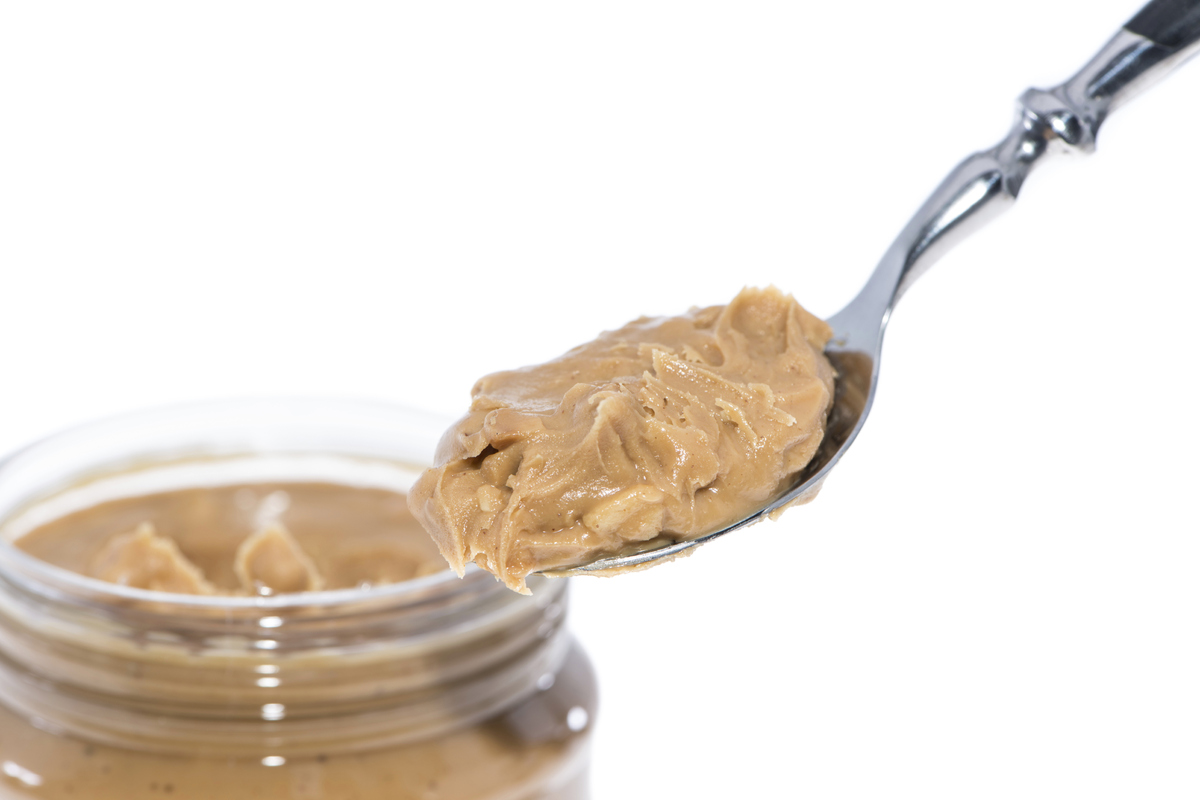
 Grabbing a 100-calorie snack pack of cookies or pretzels may seem virtuous, but it's more likely to make you hungrier than if you ate something more substantial, says Amy Goodson, RD, dietitian for Texas Health Ben Hogan Sports Medicine. "Eating small amounts of carbohydrates does nothing but spike your blood sugar and leave you wanting more carbs." Goodson recommends choosing a protein such as peanut butter or string cheese with an apple. "They are higher in calories per serving, but the protein and fat helps you get full faster and stay full longer -- and you end up eating fewer calories overall," she says.

No 5 - Skip energy drinks when you're tired.

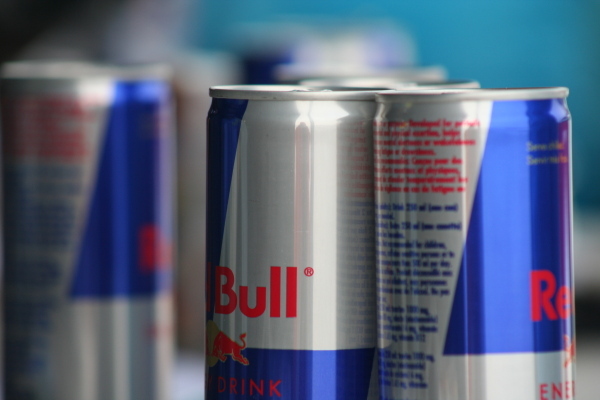
Energy drinks contain up to five times more caffeine than coffee, but the boost they provide is fleeting and comes with unpleasant side effects like nervousness, irritability, and rapid heartbeat, says Goodson. Plus, energy drinks often contain high levels of taurine, a central nervous system stimulant, and upwards of 50 grams of sugar per can (that's 13 teaspoons worth!). The sweet stuff spikes blood sugar temporarily, only to crash soon after, leaving you sluggish and foggy-headed -- and reaching for another energy drink.

No 6 - Drink water when you're bloated.

When you feel bloated, drinking water sounds as if it would only make matters worse, but it can often help, says James Lee, M.D., gastroenterologist with St. Joseph Hospital in Orange, Calif. If you're on a high-fiber diet, for instance, then your body needs more water to work more efficiently, says Lee. "Water mixes with water soluble fiber and makes it into a gel like substance. This affects the motility of the gut and reduces the symptom of bloating." Drinking more water also relieves bloating caused by dehydration. When you're dehydrated, your body clings to the water your body does have, causing you to puff up.
Source; http://www.huffingtonpost.com/2014

Monday, 13 October 2014

12 Counter-intuitive Health Tips That Really Work

Many methods to improve your health are pretty straightforward: To lose weight, eat less and exercise more; to boost your energy, get more sleep; to prevent dehydration, drink more water. Others, however, are totally counter-intuitive. The following 12 tips really do work -- but they may leave you scratching your head.

I'll post 3 a day over the next 4 days - So don't miss out!

No 1 - Drink coffee to have a better nap.

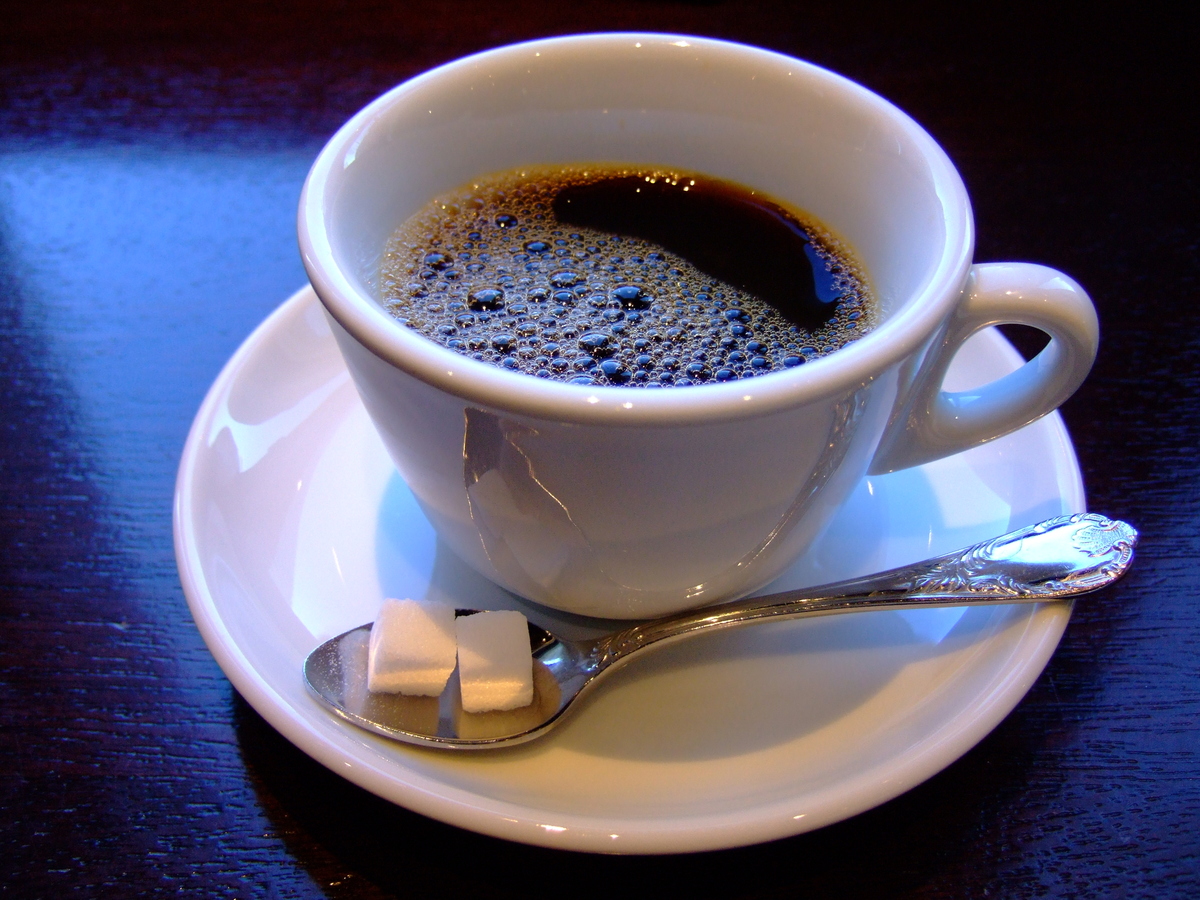
In a Japanese study that examined how to make the most of a nap, people who took a "coffee nap" -- consuming about 200 milligrams of caffeine (the amount in one to two cups of coffee) and then immediately taking a 20-minute rest -- felt more alert and performed better on computer tests than those who only took a nap. 

Why does this work? A 20-minute nap ends just as the caffeine kicks in and clears the brain of a molecule called adenosine, maximizing alertness. "Adenosine is a byproduct of wakefulness and activity," says Allen Towfigh, M.D., medical director of New York Neurology & Sleep Medicine. "As adenosine levels increase, we become more fatigued. Napping clears out the adenosine and, when combined with caffeine, an adenosine-blocker, further reduces its effects and amplifies the effects of the nap."

N0 2 - For healthy teeth, don't brush after eating.

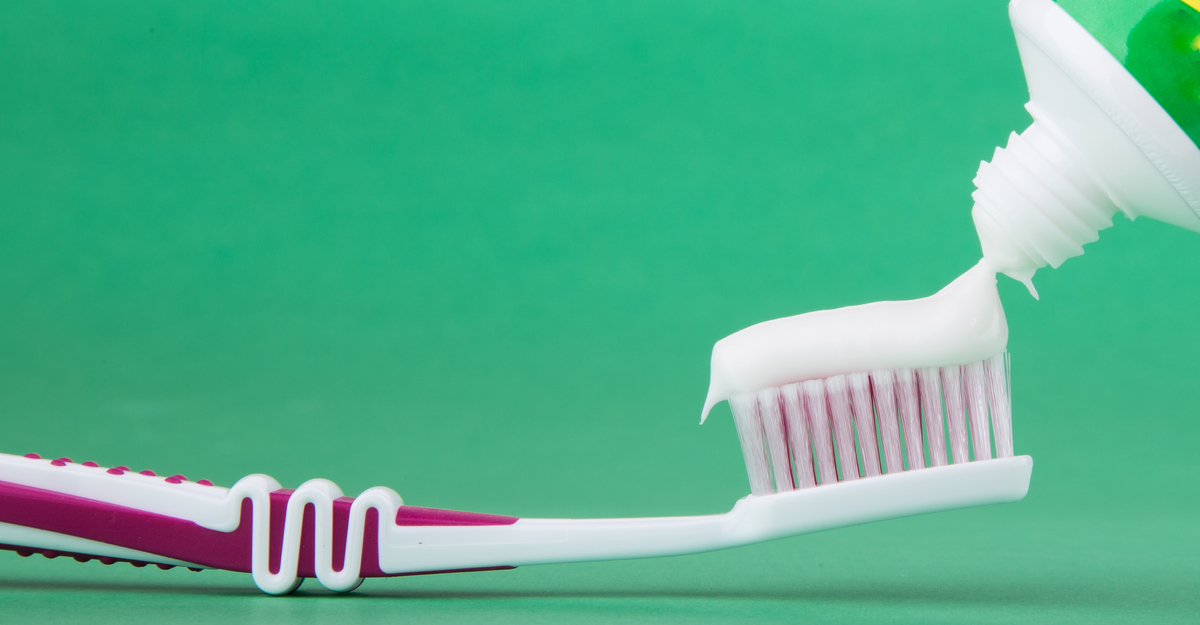
Don't brush your teeth immediately after meals and drinks, especially if they were acidic. Acidic foods -- citrus fruits, sports drinks, tomatoes, soda (both diet and regular) -- can soften tooth enamel "like wet sandstone," says Howard R. Gamble, immediate past president of the Academy of General Dentistry. Brushing your teeth at this stage can speed up acid's effect on your enamel and erode the layer underneath. Gamble suggests waiting 30 to 60 minutes before brushing.

No 3 - To wear a smaller size, gain weight.

Muscle weight, that is. If two women both weigh 150 pounds and only one lifts weights, the lifter will more likely fit into a smaller pant size than her sedentary counterpart. Likewise, a 150-pound woman who lifts weights could very well wear the same size as a 140-pound woman who doesn't exercise. The reason: Although a pound of fat weighs the same as a pound of muscle, muscle takes up less space, says Mark Nutting, fitness director of SACO Sport & Fitness in Saco, Maine. "You can get bigger muscles and get smaller overall if you lose the fat," he says. "The bulk so many women fear only occurs if you don't lose fat and develop muscle on top of it." Cut back on calories and add weight to your workout to lose inches.

Source; http://www.huffingtonpost.com/2014/

Tuesday, 30 September 2014

At-Home Beauty Treatments for Every Skin Concern

DIY Beauty Solutions

Strawberries, lemons, blueberries, and onions – sounds like your average grocery list, right? Just as they are nutritious and important for a well-balanced diet, these ingredients can give your skin and hair a major boost, too.

Read on to learn these six expert-recommended at-home treatments that can help combat your biggest beauty woes.

Problem: Hyperpigmentation and dark spots

Solution: Fresh lemon juice and a red onion

Lemon juice and red onions are naturally acidic, and when combined together, they create a gentle-yet-effective at-home alternative to dark spot and hyperpigmentation treatments that are often formulated with harsh chemicals.
For best results, Michael Lin, MD, a board-certified dermatologist in Beverly Hills, California, suggests blending ¼ of a red onion with freshly squeezed lemon  juice before applying it to the desired area with a Q-tip. After 10 to15 minutes, wash off the homemade treatment with a mild cleanser.

Problem: Dry, calloused hands and feet

Solution: Almond milk and coffee grounds

For a smoothing hand and foot scrub, Lin suggests combining almond milk with leftover coffee grounds from your morning roast. Almond milk is rich in antioxidants and vitamin E, which helps protect skin from free radicals that can damage cells and break down collagen. Coffee grounds, on the other hand, offer exfoliating benefits that help reveal radiant skin. “Using a caffeine scrub helps to stimulate cells and elastin, and temporarily firm the skin,” says Lin.

Combine 2 cups of almond milk and the coffee grounds in a bowl, then scrub the formula in circular motions on your hands and feet.

Problem: Dull skin

Solution: Peppermint tea

Using topical treatments isn’t the only way to achieve gorgeous, glowing skin. In fact, radiant skin can be attained from the inside out by drinking a generous cup of peppermint tea. Dallas-based celebrity aesthetician Renee Rouleau advises her celebrity clients to drink a cup of the minty stuff before red carpet events. 

“Peppermint tea is known to boost blood circulation, giving skin a vibrant glow,” says Rouleau, adding that peppermint can also help decrease stress. 

Problem: Uneven skin tone and UV damage

Solution: Strawberries and honey

Strawberries in particular are jam-packed with vitamin C and are a natural source of salicylic acid, which is often found in anti-acne treatments to help clear skin and keep flare-ups at bay. When paired with honey, which has anti-bacterial benefits, they create a powerful at-home alternative to a store-bought mask.

Mash together three strawberries and 1 Tbsp.honey and apply the mixture. Wash off the mask with warm water after 15 minutes.

Problem: Dry, frizzy hair

Solution: Coconut oil

As the weather gets warmer, your hair can become dry, frizzy, and completely unmanageable. Because of its moisturizing benefits, coconut oil is highly effective when it comes to nourishing hair and battling frizz.

For a hydrating hair treatment, New York City stylist Nunzio Saviano, owner of Nunzio Saviano Salon in New York City, recommends working a tablespoon of liquefied coconut oil through your hair post-shampoo. Leave the oil in for five to 10 minutes and rinse it out with chilly water, which will also help close the hair cuticle and seal in moisture, fighting frizz.

Problem: Product buildup

Solution: Apple cider vinegar

Product buildup (sometimes confused for dandruff) is residue left behind on your hair and scalp by shampoo, mousse, hairspray, and other styling products. Additionally, dirt, natural oils, and hard water mineral deposits can build up on your hair shaft, leaving locks dull and weighed down. For a quick at-home fix, celebrity colorist Kyle White recommends a five-minute apple cider vinegar treatment.

“Apple cider vinegar is an effective clarifying treatment [because it] removes product build up, restores shine, and helps to even out hair’s porosity,” says White. “Simply comb it through your hair and leave it on for five minutes before shampooing it out. Always follow any clarifying treatment with a deep conditioner to replace any moisture loss.”

Source; http://www.everydayhealth.com/pictures/at-home-beauty-treatments/#07

Friday, 5 September 2014

Non-Drug Treatments for Migraines

What Is a Migraine?
Migraine is a type of headache that is often localized in a certain area of the head
 and is sometimes accompanied by a pronounced sensitivity to light and sound. Other common migraine symptoms include nausea and vomiting. Migraines are usually gradual in onset, progressively more painful and then undergo a gradual resolution. When migraines are mild to moderate, they are usually described as being dull, deep and steady. When severe, migraines are throbbing or pulsating.Some migraines are worsened by head motion, sneezing, straining or physical exertion. Since many patients also become sensitive to light and sound, some migraine sufferers will lie down in a darkened and quiet room to relieve symptoms.More common in women than in men, migraine is a chronic condition, and migraine headaches may occur infrequently or as often as several times a week. Although migraines can begin at any time, the most common time is in the early morning. While migraines can begin during sleep, this is uncommon and must be evaluated to rule out other conditions.The onset of migraine usually occurs between the ages of 5 and 35. It is treatable but not curable, and it is not considered a life-threatening condition, though rarely a severe migraine may cause a stroke. However, if the headaches are severe and frequent, migraine can have a debilitating impact on a person’s life.

Are There Non-Drug Treatments for Migraine?
Doctors recommend behavioural measures both to prevent and treat migraines: one 
is to stay away from avoidable triggers, such as alcohol or certain foods.
Behavioural treatments can also help prevent stress-related migraine. These treatments include:

  • Relaxation training: including thermal and electromyographic (EMG) biofeedback techniques that help patients develop a degree of voluntary control over their blood pressure, heart rate, temperature, muscle tension, brain waves and body temperature.
  • Cognitive-behavioural therapy (stress management)
  • Regular exercise: such as swimming or walking, which can reduce stress and the frequency and severity of migraines.


Friday, 29 August 2014

How to Banish Your Man Boobs

Video:
How To Get Rid of Man Boobs

Click this link to watch a short video

You love breasts—as long as they're not your own. Unfortunately, getting rid of your man boobs isn't as simple as doing a bunch of pushups. In the video above, Men's Healthnutrition advisor Mike Roussell, Ph.D., breaks down the reasons behind your "moobs" and the best ways to banish them. Watch it before you spend money on a manssiere. 

Source; http://www.menshealth.com

Friday, 15 August 2014

Newsflash: Could this be a guilt-free way to drink Coke?

Swapping sugar for stevia in new Coke Life could put Coca-Cola back on our mixers menu…


The good news: The new drink has a third less sugar and a third fewer calories (89 for a 330ml can, compared to the usual 139 calories)
Flavour-wise, Deputy Web Editor Alexia describes it as "like a lighter version of Diet Coke. It's alright!"
But the bad news? Coca-Cola Life still has more than four teaspoons of sugar in every can. Not ideal.
The new blend went on sale in Argentina and Chile last year, sweetened with local South American stevia leaf extract, and it’s just gone on sale in the UK.
Stevia – hailed by many nutritionists as a satisfying alternative to sugar - is already used in the company's Sprite and GlacĂ©au Vitamin Water ranges.
Coca-Cola have signed the UK government's health responsibility deal, and committed to reducing the calories in its drinks by 5% by the end of 2014. Great - but as we're always keen to make clear at WH, it’s not all about the calories. 
In fact, Coke Life has already come in for criticism for the reason that, well, it’s still high in sugar and low in nutrients. Compared to say, green juice. Although green juice doesn't taste quite so good over spiced rum...
Oh, and the green can? It’s like those old pictures of a green Father Christmas. Just. Plain. Wrong.

Source; http://www.womenshealthmag.co.uk/nutrition/

Friday, 18 July 2014

10 Most Surprisingly Unhealthy Foods


When making decisions about what we eat, it’s sometimes hard to know what’s for the best. Labels with claims of being low fat, no fat, zero calories or even a super food are helpful, but are they giving us the full picture? Here is a list of ten foods that are often mistaken as healthy but actually aren’t.
 Read on to find out more…
1. Ramen noodles
Most of us are under the illusion that if a food is Japanese it has to be healthy: Wrong. While most Japanese food is very low in fat, ramen noodles aren’t the best choice. If you just eat the noodles alone in a broth, you’re really just enjoying a whole lot of salt. Increase the nutrition value by adding stacks of fresh, steamed vegetables.
2. Cream Cheese
If you enjoy a bagel laden with cream cheese, try and make it a weekly treat rather than an everyday snack or breakfast choice. Cream cheese, even the low fat variety, is still very high in fat and low in calcium and nutrition. Ricotta cheese is a healthier alternative.
3. Fried banana and vegetable chips
Fried anything is not good for you, whether it be a parsnip, banana or plantain. Many of these so-called healthy snacks are also high in sugar, salt and fat so are best enjoyed in small doses or not at all. Definitely don’t enjoy them throughout the day at your desk!
4. Muffins
A muffin a day will definitely lead to a muffin top. These delicious breakfast favourites can be loaded with up to as many as 800 calories, not to mention a whole heap of fat and sugar. If you can’t resist this sugary treat, opt for the skinny variety or make your own. That way you know just how much sugar and oil has gone into them.


5. Honey Granola
Granola is one of those foods that has always been marketed as a health food, but be careful. The honey variety can have nearly three teaspoons of sugar within half a cup full so don’t overindulge.
6. Canned soup
Canned soup is easy, tasty and cheap so it’s no wonder that so many of us enjoy it for lunch. Make sure you check the label of your favourite variety though – some Campbell’s red label soups are packed with salt.
7. Dried fruit
Dried apricots are a tasty and nutritious snack but they should be eaten in small amounts. Dried fruits mean consumption is easy and you can pack away a lot of calories without even thinking. Enjoy them with cereal or as part of a main meal rather than eating alone.
8. Energy Bars
There are some really nutritious energy and cereal bars out there but make sure you check the label. Some are full of sugar and saturated fat so they aren’t the best source of fuel before the gym or in between meals. Try making your own and use apple juice to sweeten.
9. Reduced Fat Peanut Butter
It’s reduced fat so it must be healthier, right? Unfortunately not. Both low fat and full fat peanut butter usually contain the same amount of calories but the reduced fat version will contain more sugar. Enjoy it in small doses and don’t eat more just because it says low fat on the label.
10. Japanese Rice Crackers
These small and tasty snacks (otherwise known as senbei) contain seaweed so everyone thinks they’re a health food. In reality the amount of seaweed is small and is used as more of a seasoning rather than a main ingredient. You’re mostly snacking on refined rice flour which isn’t very good for you.